
Who may inspect
The QBCC licence class to ask for, and how to check it.

Inspection
The twelve-month inspection of every fire and smoke door in the building, done to AS 1851-2012 and recorded so it supports your Form 74.
Call 0485 032 510Get the inspection arranged
Tell us the building and roughly how many doors, and we will arrange the inspection.
Fire Doors Brisbane — firedoorsbrisbane.com.au — arranges these inspections with a QBCC-licensed contractor across Brisbane, Ipswich, Logan, Redlands and the Gold Coast.
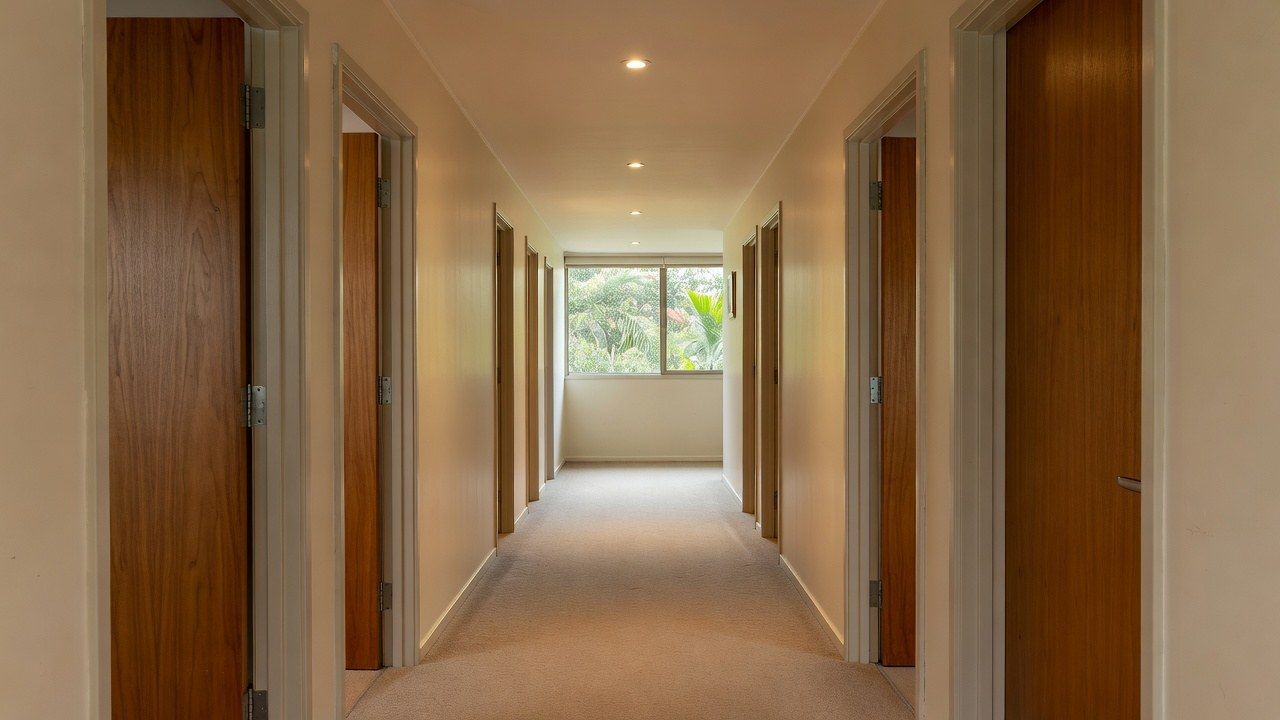
A fire door is tested and certified as a whole assembly — the leaf, the frame, the seals, the closer and the hardware together. Change any part of it and the tested performance no longer applies.
So the inspection is not a look at the door. It is a check of every element against the configuration the door was certified in: clearances at the head, jambs and threshold, the condition of intumescent and smoke seals, whether the closer shuts and latches the door from any open position, the hinges and the furniture, the tag, and whether anything has been fixed to the leaf.
Anything that fails is written down as a defect with what it needs, so you can get it quoted rather than guess.
Every 6 or 12 months, depending on the building. The Queensland Fire Department's advice is that fire doors in Class 5, 6, 9a and 9c buildings (offices, shops, hospitals and aged care) are inspected every 6 months, and fire doors in all other buildings, including apartments and hotels, every year.
Records must be kept at or near the building, retained for at least two years, and produced when the Queensland Fire Department asks for them.
The standard is not satisfied by checking a representative few. Each door is inspected and each door carries its own tag and its own record. A building with sixty doors gets sixty results.
That is also what makes the next year cheaper and more useful — the second inspection has a history to compare against.
“Certification” gets used for two different things, and buyers are often sold one when they needed the other.
At installation, a fire door is certified as a compliant doorset: the right rating, the right components, installed to AS 1905.1. That happens once, and the evidence should be handed over with the building or the fitout.
Every year after that, the door is inspected to AS 1851-2012. That inspection record is what supports your Occupier's Statement. It does not re-certify the door. It confirms the door is still in the configuration it was certified in.
The leaf and its surface, for damage, holes and anything fixed to it. The clearances at the head, the jambs and the threshold. The seals. The closer, hinges and latch. The frame and its fixings. The compliance label and the inspection tag.
Each door gets a pass or a defect with what it needs. The result is one report for the building.
The QBCC licence class to ask for, and how to check it.
Form 74, who signs it, and the records it rests on.
Each door identified and recorded, so the history survives.
Servicing to AS 1851-2012, and the records to prove it.
Gaps, closers, seals and hardware, back to the tested configuration.
When a leaf is beyond repair, or was never compliant.
Rated sets installed and tagged in refurbishments and fitouts.
Different job, different rating, same inspection obligation.
Intumescent and smoke seals, matched to the tested set.
Closers, hinges, latches and locks that keep the rating.
Tell us the building and roughly how many doors, and we will arrange the inspection.
Call 0485 032 510